Doctor–Patient Connectivity: How Smart Devices & Apps Improve Consultations
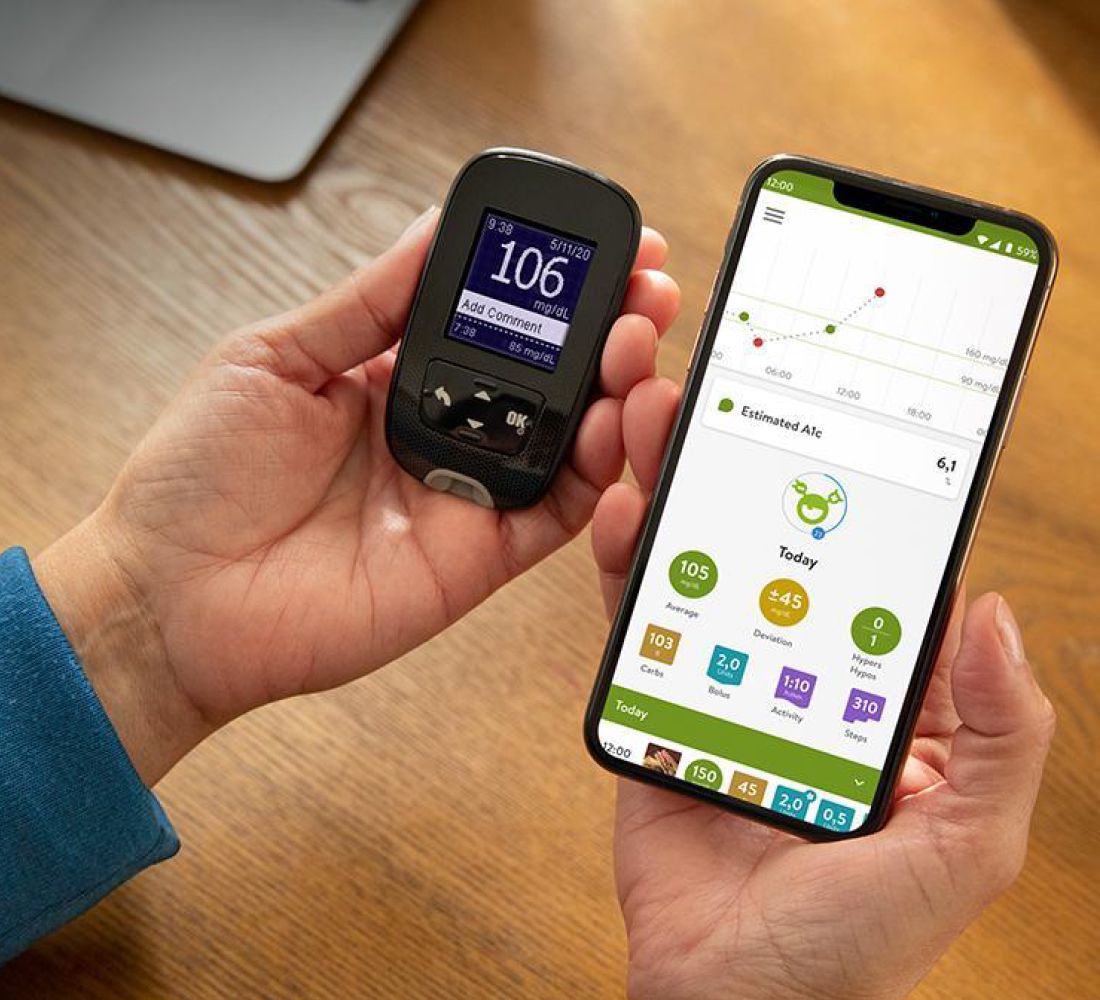
Strap: When glucose readings flow automatically from patients to doctors, clinic visits begin with clarity rather than guesswork and treatment decisions become sharper, faster, and far more collaborative.
Think about how diabetes care used to look. In the past, many people with diabetes would arrive at appointments with only a few numbers jotted down – or with general impressions of when their sugar “felt high” or “seemed low.” Much of the early consultation could be spent piecing together when tests were done, what meals preceded them, or whether medication had been taken.
With connected tools, that picture may be changing. Bluetooth-enabled glucometers and apps can now capture and sync readings automatically, including fasting values, post-meal trends, and day-by-day variations. This may reduce the need for doctors to reconstruct past events, allowing more of the consultation to focus on present patterns and possible next steps.
Why Data Makes Or Breaks A Consultation
Managing diabetes may hinge on recognising patterns rather than isolated numbers. A single reading may not say much, but multiple readings tracked over weeks can reveal trends – for instance, whether mornings tend to run high, evenings sometimes fall too low, or weekends differ from weekdays. Without such data, consultations may remain general; with it, conversations can become more specific. Connected devices and apps may help by giving doctors access to structured data at the right time.
What Smart Devices Actually Deliver
The main value of connected health devices is usually not in how they measure glucose – most still rely on the same strip-based science – but in what happens afterwards. Instead of a single number fixed in time, smart meters and apps can generate:
- Logs that record each test automatically.
- Graphs that make fluctuations easier to see.
- Averages that may indicate whether recent changes are having an effect. – Reports that can be shared before or during consultations.
For doctors, this may translate into less time reconstructing histories and more time interpreting results. For patients, it can create a sense that their effort is meaningful because the information is being applied in conversations about care.
Proof From Real-World Experience In India
This isn’t just a promise on paper. In India, a multi-centre analysis followed people with type 2 diabetes who used the Accu-Chek® Instant Bluetooth glucometer together with the mySugr® mobile app. Over three months, their average HbA1c fell from 8.8% to 7.5% – a drop of 1.3 percentage points, which is generally regarded as clinically meaningful.
On the System Usability Scale, the solution achieved a score of 70, suggesting patients found it practical in everyday care.
How Doctors Used The Data
With structured data available, healthcare professionals in the study reported several benefits:
- Better Testing Habits – People appeared to test more regularly, supported by the app’s automatic logging and reminder features.
- Faster Treatment Adjustments – Having continuous records meant that potential issues could be noticed sooner, rather than waiting until the next lab test.
- More Informed Decisions – Insulin doses and medication changes could be guided by observed patterns instead of relying only on limited snapshots.
As a result, appointments often became more focused. Instead of flipping through a handful of scattered readings, doctors and patients could discuss clearer trends together and agree on next steps.
How Connectivity Shapes The Conversation
When glucose data is already organised and available, consultations can take a different shape. Doctors may spend less time retracing what happened and more time starting with the patterns in front of them. For example, a graph might show that readings tend to rise after dinner, opening the door for a focused discussion.
These visual patterns can make it easier for patients to recognise links between meals and glucose levels. Shared evidence can also make treatment conversations feel more collaborative, rather than one-sided.
Connectivity may also extend benefits beyond the clinic. With telemedicine continuing to expand, connected apps can allow glucose information to reach the doctor before a video call even begins. For people in smaller towns or those who cannot easily travel, this may help support continuity of care.
The Wider Health System Focus
The World Health Organization has noted that digital health tools can strengthen health systems by making data more available, continuous, and usable.
This perspective shifts the focus from a single patient–doctor interaction to the broader system.
Earlier interventions may help reduce the risk of long-term complications. More efficient appointments can sometimes prevent unnecessary visits. And when patients see their information being used, they may feel more engaged in their care.
In a country like India, where the diabetes burden is already vast and still rising, even small improvements at the individual level could add up to meaningful benefits for both people and the wider healthcare system.
Barriers That Cannot Be Ignored
The benefits are clear, but so are the challenges. These devices can be more expensive than standard models, which may create affordability gaps. Not everyone is comfortable using smartphones, and older adults in particular may require extra support. Internet access can still be unreliable in some areas, and even with built-in reminders, steady use often depends on individual motivation.
The Indian analysis echoed these concerns. While outcomes were encouraging, the researchers noted that challenges such as non-compliance and accessibility would need careful attention before this approach could be scaled more widely.
Making Smart Tools Routine
For connected devices to truly become part of everyday practice, health systems may need to take a few extra steps. Professionals might require training on how to interpret app-based reports. Patients may need guidance not only on using the devices but also on reading their own graphs. Digital reports could be more impactful if integrated into medical records, ensuring continuity of care. And in low-resource settings, assessing cost-effectiveness may be key to justifying broader adoption.
Taken together, these measures could help connectivity shift from being just a technological add-on to becoming a more routine part of care.
Looking Forward
As these tools evolve, consultations could become even richer. Reports may bring together glucose, activity, diet, and medication into one view. Artificial intelligence may flag unusual trends or predict risks. But the principle will remain the same: more complete, more accurate, and more accessible information makes for better consultations.
Conclusion
Doctor–patient connectivity is not about replacing conversations with technology, but about making those conversations sharper, faster, and more collaborative. In the Indian multi-centre analysis, three months of shared data use was associated with improved outcomes and greater confidence for both patients and doctors.
At a time when health systems are under increasing pressure, the efficiency of each consultation carries added weight. Early evidence suggests that connected devices and apps, by making information clearer and easier to share, may help turn routine appointments into opportunities for progress rather than guesswork.
References:
- https://doi.org/10.1007/s13300-025-01768-x
- https://www.who.int/docs/default-source/documents/gs4dhdaa2a9f352b0445bafbc79ca799dce4d.pdf
Note to the Reader: This article has been created by HT Brand Studio on behalf of Roche Diabetes Care India Pvt. Ltd. The information provided is intended solely for informational purposes and does not constitute medical advice or endorsement. Please consult a registered medical practitioner for personalized medical advice or before making any decisions regarding your health conditions or treatment options.