Keeping blood sugar in check: Recognising and managing hypoglycemia
Imagine being out for a morning run, your enthusiasm and energy levels at their peak, when a sudden wave of light-headedness forces you to stop. The world around you starts to blur, your heart races, your legs feel weak, and a subtle but unsettling dizziness creeps in. Confused, you wonder if it’s simply fatigue or something more serious. Episodes like these might be the early signs of hypoglycemia, or low blood sugar, a condition often associated with diabetes but one that can impact anyone under the right circumstances.
Many people experience a sudden drop in their blood sugar levels during exercise, after skipping meals, or even due to certain medications. Hypoglycemia occurs when the glucose in your bloodstream, your body’s primary energy source, falls below normal levels. Glucose fuels not just physical activity but also brain functions, and its absence disrupts the body in alarming ways. While its initial symptoms may seem mild, such as dizziness, sweating, or irritability, they can quickly escalate to confusion, blurred vision, seizures, and unconsciousness. In severe cases, prolonged or untreated hypoglycemia can result in coma or even death, turning what might begin as momentary discomfort into a life-threatening medical emergency.
This makes it pertinent for people to understand these symptoms. Recognising that their onset can make a crucial difference in managing hypoglycemia effectively before it leads to severe consequences.
Identifying the triggers: What causes hypoglycemia?
At its core, hypoglycemia stems from an imbalance between glucose supply and demand in the body. Glucose, derived from the carbohydrates in our diet, is essential for fueling cells and maintaining normal bodily functions. When this delicate balance is disrupted, either due to insufficient glucose intake, excessive glucose utilisation, or hormonal imbalances, it may result in hypoglycemia.
Some of the most common causes include:
- Skipping or delaying meals: When meals are missed or delayed, the body runs out of its stored glucose, leading to low blood sugar levels.
- Over-exercising without adequate nutrition: Intense physical activity can deplete glucose stores rapidly, especially if proper pre- or post-workout nutrition is neglected.
- Avoid alcohol consumption: Drinking alcohol, particularly on an empty stomach, can interfere with the liver’s ability to release stored glucose into the bloodstream, increasing the risk of hypoglycemia.
- Medications: For individuals managing diabetes, insulin or oral medications like sulfonylureas, gliclazide, glimepiride, etc can sometimes overshoot their effect, lowering blood sugar levels too much. Non-diabetic individuals may also experience hypoglycemia due to certain drugs, such as those used for kidney or heart conditions.
- Underlying medical conditions: Certain disorders, such as hormonal deficiencies, liver disease, or kidney issues, can hinder the body’s ability to regulate glucose levels effectively.
Managing hypoglycemia: What steps to take
For individuals prone to frequent episodes, planning ahead is essential. Keeping snacks on hand, eating balanced meals with a mix of carbohydrates, proteins, and fats, and monitoring blood sugar levels regularly can help maintain stability. People managing diabetes should work closely with healthcare professionals to tailor their insulin dosages and dietary plans to their lifestyle needs.
In some cases, medical intervention is necessary. Severe hypoglycemia, marked by unconsciousness or seizures, requires immediate assistance. This underlines the importance of educating family members and close contacts about how to respond during emergencies.
Preventing future episodes
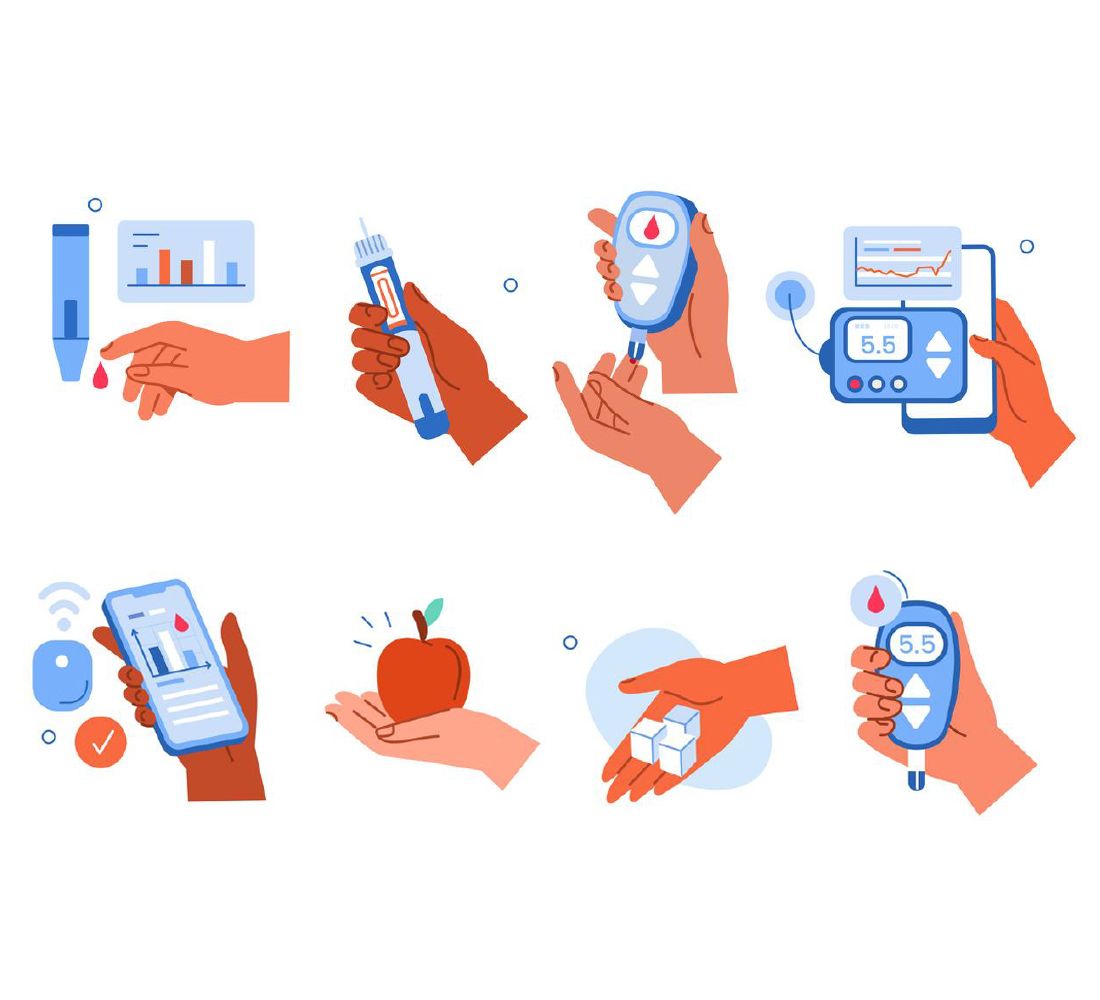
Prevention is the most effective strategy for managing hypoglycemia. Identifying personal triggers and building a consistent routine around meals, exercise, and medication can go a long way in reducing risks. For people with diabetes, regularly checking blood sugar levels is crucial. While continuous glucose monitors (CGMs) provide real-time tracking and can help with proactive adjustments, they may not always be accessible. In such cases, portable glucometers remain the most practical tool, easy to carry, affordable, and reliable for testing on the go.
People with diabetes (PwDs) should keep a glucometer handy and know the warning numbers that indicate low glucose. In emergencies, caregivers can be trained to quickly test a person’s glucose levels and respond appropriately. Alongside monitoring, keeping glucose tablets, sugary snacks, or juice within reach can help treat sudden drops effectively.
Education also plays a vital role. Simple awareness—knowing the symptoms, recognising early signs, and understanding how to respond—can save lives. Workshops, community programmes, and regular consultations with healthcare providers offer valuable guidance and help individuals and families stay better prepared.
Often linked with diabetes, hypoglycemia is a condition that can affect many individuals under various circumstances. Understanding the subtle early warning signs, identifying triggers, and knowing how to respond promptly can make all the difference between a minor episode and a serious health emergency. With careful management, it can be effectively controlled, allowing individuals to lead active, healthy lives. As it is rightly stated, awareness and preparedness are your best tools to stay safe and in control.
References:
- American Diabetes Association. Signs, Symptoms, and Treatment for Hypoglycemia.
https:/ diabetes.org/living-with-diabetes/hypoglycemia-low-blood-glucose/sy mptoms-treatment - Mayo Clinic. Hypoglycemia: Symptoms and causes.
https:/ www.mayoclinic.org/diseases-conditions/hypoglycemia/symptoms-ca uses/syc-20373685 - NHS (UK). Hypoglycemia (low blood sugar).
https:/ www.nhs.uk/conditions/hypoglycaemia/ - Centers for Disease Control and Prevention (CDC). Managing Blood Sugar: Hypoglycemia (Low Blood Sugar).
https:/ www.cdc.gov/diabetes/managing/managing-blood-sugar/hypoglycem ia.html - Association of Physicians of India (API) – Consensus Document on Management of Hypoglycemia in Diabetes in India. (Journal of the Association of Physicians of India, 2019).
Disclaimer: The views and opinions expressed in the story are of independent professional judgments of the experts, and TIL does not take any responsibility for the accuracy of their views. The information provided is indented solely for informational purposes and does not constitute medical advice or endorsement. Please consult your treating physician for more details. This article has been produced on behalf of Roche Diabetes Care India Pvt Ltd by Times Internet’s Spotlight team.