Why Timing Matters: A Simpler Look at When to Test Your Blood Glucose at Home
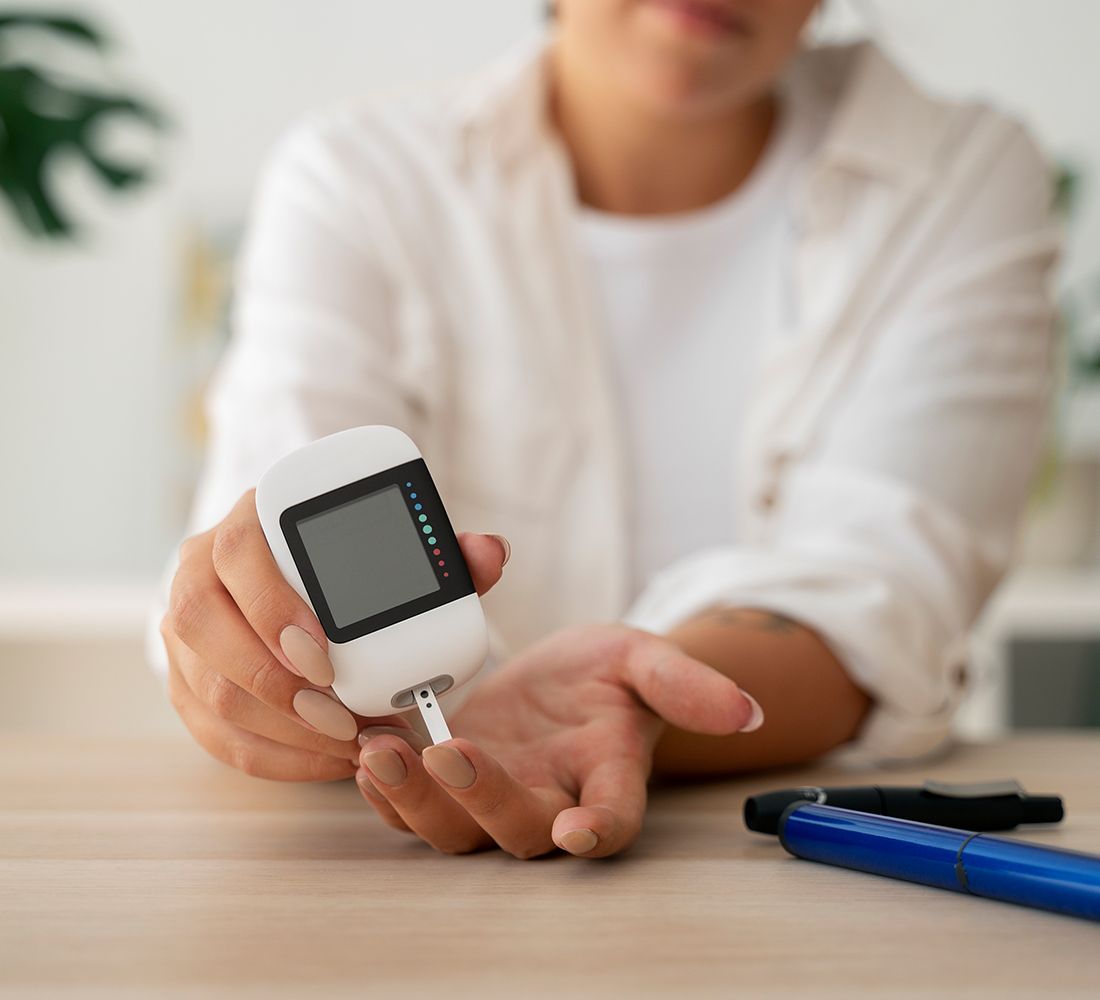
For someone living with diabetes, blood sugar can change throughout the day. These changes might occur after a large meal, an unexpected delay in medication, a brisk walk, or even a stressful work call. Yet, in many cases, these shifts are silent, and you may not feel anything at all.
Using a glucometer at home offers a closer view of your day-to-day patterns that may allow you and your healthcare provider to make better-informed decisions. But while testing itself is important, so is the timing of each test.
This article explores why timing matters, using recent guidance from the 2024 RSSDI Expert Consensus, data from studies, and real-world insight from published reports.
Why Test at Home at All?
Home-based testing is not meant to replace lab tests, but it can support a more personalised understanding of your condition. With regular testing, you might notice patterns you hadn’t seen before, like a spike in blood sugar after a festive meal or a dip after skipping breakfast.
Whether you’re a working professional in Bengaluru managing shift changes, a homemaker in Nagpur caring for an elderly parent, or someone newly diagnosed and trying to understand how food affects you, home testing may offer useful clues.
Still, when to begin testing and how often, should always be decided in consultation with your healthcare provider.
Timing Isn’t the Same for Everyone
The RSSDI Expert Consensus for Optimal Glucose Monitoring in Diabetes Mellitus in India and Recommendations for Clinical Practice outlines that testing routines should differ depending on:
- Type of diabetes (Type 1, Type 2, GDM)
- Medication regimen (oral therapy, insulin, etc.)
- Stage of life (young adult, elderly, pregnant, etc.)
- Presence of symptoms
- Lifestyle factors like diet, fasting, work schedule, or stress
For example, the doctor may advise an individual with Type 2 diabetes that is well controlled by diet, exercise or other lifestyle modifications may not need to test daily. But someone on daily insulin doses might need at least 4 structured tests per day.
There is no single rule for everyone, but some timings are more insightful than others.
Understanding the “When” of Testing
Below are some of the most commonly suggested testing windows and what they may reveal. These recommendations are based on the RSSDI guidance and findings from clinical evaluations.
1. Fasting Blood Glucose (FBG)
When: Early morning, before eating or drinking
Why: Reflects overnight glucose control and baseline insulin activity
Use Case: A woman in her 50s managing diabetes with oral tablets may test fasting levels twice a week to track long-term trends.
This is often a practical place to start for new users of SMBG, as it’s easy to schedule and consistent in timing.
2. Pre-Meal (Pre-Prandial)
When: Right before main meals
Why: Shows the baseline before food affects sugar levels
Use Case: Pre-meal testing provides insight into how well the insulin dose for the previous meal worked. If blood sugar is consistently high before the next meal, it may indicate the need to adjust the prior meal’s insulin dose or timing after consultation with a doctor.
3. Post-Meal (Post-Prandial)
When: About 120 minutes after the start of a meal
Why: Captures glucose spikes from food
Use Case: A retiree in Jaipur, recently diagnosed, might test after lunch during the first few weeks of a new diet plan to track how specific foods affect him.
4. Paired Testing (Before and After Meals)
When: Just before and 2 hours after the same meal
Why: Helps assess the direct impact of that meal
RSSDI Guidance: Two or more paired tests per week may be useful in specific groups (pregnant, children, new diagnoses, therapy change, post-illness)
Use Case: During festivals like Onam, for example, a Kerala homemaker might try a paired test – before and after having payasam – to better understand the effect of payasam and adjust future portions accordingly.
Paired testing can be especially helpful when evaluating new diets, unfamiliar foods, or changes in insulin dosage.
5. Bedtime and Night Checks
When: Just before sleeping and typically between 2 or 3am
Why: Detects overnight lows or “rebound highs”
Use Case: A man on long-acting insulin who regularly wakes with high sugars might be advised by his HCP to check at 3:00 am to rule out nocturnal hypoglycaemia.
These are not routine for everyone but can provide essential insights in special cases.
6. During Illness, Travel, or Stress
Why: Temporary changes like fever, disrupted meals, or stress from travel may affect control
Use Case: A diabetic sales manager working through a stressful product launch in Mumbai may be advised to test more often until routine stabilises.
Testing more frequently during such phases, always in discussion with a doctor, can help avoid surprises.
7. Suspected Hypoglycemia (Low Sugar Episodes)
When: During symptoms like shakiness, confusion, or dizziness
Why: To confirm and respond to low sugar
Next Steps: After treating with recommended amounts of glucose or juice, recheck in 15 minutes to confirm recovery
Recognising and confirming lows promptly can help prevent complications. The testing frequency should be determined after consultation with a doctor.
How Often Should You Test with SMBG?
The following is a general guide based on RSSDI’s 2024 framework:
| Patient Group | Recommended SMBG Frequency |
| T1D (Adults) | SMBG needs to be conducted 5 to 8 times/day |
|
T1D (Children)
|
5–8 times/day and should include pre-meal, post-meal, and bedtime levels |
| Note (T1D) |
The treating physician may determine the frequency of glucose monitoring based on clinical judgment and resource availability.
|
| T2D on Oral Antidiabetics (OADs) — New Onset DM/Uncontrolled DM/ DM During Acute Illness (Patients on Sulphonyl Urease (SU) or meglitinides) |
At least 4 times/day, including pre-prandial and bedtimelevels
|
| T2D on OADs — Acute Illness (Other OADs) | At least FBG on alternate days |
| T2D on OADs — Stable/Well-Controlled DM | At least 4 tests in a week on 4 consecutive days or alternate days (including 1 FBG and 3 post-prandial values) |
| Note (T2D on OADs) |
The treating physician may determine the frequency of glucose monitoring based on clinical judgment and resource availability.
|
| T2D on Insulin ± OADs — New Onset DM/Uncontrolled DM/ DM During Acute Illness | At least 4 times/day, including pre-prandial and bedtime levels. Also: Check glucose when hypoglycemia is suspected |
|
T2D on Insulin ± OADs —
Stable/Well-Controlled DM
|
FBG at least on alternate days. Also: 4 tests in a week on 4 consecutive or alternate days (1 FBG + 3 post-prandials). Check glucose when hypoglycemia is suspected |
| Note (T2D on Insulin) | The treating physician may determine the frequency of glucose monitoring based on clinical judgment and resource availability. Check glucose when hypoglycemiais suspected |
| Diabetes in Pregnancy — on OADs or Insulin | At least 4 times/day (FBG + 3 post-prandials) |
| Diabetes in Pregnancy — Lifestyle Modifications | In a given week, include 1 FBG + 3 post-prandial valuesat least once — or staggered over the week |
|
Note (Pregnancy)
|
The treating physician may determine the frequency of glucose monitoring based on clinical judgment and resource availability. |
These are not strict rules but contextual guidance. Your frequency may increase or decrease based on your goals, complications, or even personal comfort with testing.
Why Accuracy Still Matters
Testing often is useful only when the readings are reliable. According to a post‐market performance follow‐up study on “Monitoring of the Analytical Performance of Four Different Blood Glucose Monitoring Systems” and A Targeted Literature Review: Accuracy, Precision, Sensitivity, and Patient Preferences of Accu-Chek® Self-Monitoring Blood Glucose Meters evaluations:
- Accu-Chek® Guide met 99.9% accuracy in Zone A of the Consensus Error Grid thus meeting the regulatory accuracy requirements set by ISO 15197:2013
- Accu-Chek® Instant met 99.7% accuracy in Zone A of the Consensus Error Grid thus meeting the regulatory accuracy requirements set by ISO 15197:2013
This is particularly important in India, where many people manage diabetes with out-of-pocket expenses. Inaccurate readings could lead to mismanagement or anxiety over false highs or lows.
Structured SMBG: Doing More with Less
The idea behind structured SMBG is not to test more often, but to test more, meaningfully. Structured testing with targeted timing may:
- Reveal patterns of post-meal spikes or overnight lows
- Help evaluate how well medications are working
- Improve communication with your healthcare provider
- Build patient confidence in managing diabetes day to day
Let’s say you’re fasting during Navratri and unsure how skipping meals might affect you. A well-timed set of paired checks before and after meals, even if done just twice that week, could reveal what’s happening inside your body and may allow your doctor to guide you more precisely.
Why Timing Helps More Than Just Numbers
Every test tells a story. Fasting checks may show how your body fared through the night. Post-lunch spikes might explain why you felt drowsy. A bedtime check could reveal if you’re likely to wake up with a dip.
What you do with that information, alongside your doctor, is what brings the real value.
Whether you’re a senior citizen in Hyderabad trying to make sense of new sugar readings, or a college student in Pune adjusting to hostel food, the right timing can turn random numbers into clear signals.
In Conclusion
Blood glucose testing at home isn’t just about collecting numbers. It helps in learning about the glycemic picture, and for that, timing plays a key role.
By aligning your test schedule with moments that matter, you may be able to spot patterns, avoid surprises, and have more meaningful discussions with your doctor. And in India, where emotional, financial, and time pressures all come into play, smarter (not more) testing can help you take small but steady steps toward better diabetes care.
References:
- https://pmc.ncbi.nlm.nih.gov/articles/PMC4019250/
- https://diabetes.org/living-with-diabetes/high-morning-blood-glucose
- https://pmc.ncbi.nlm.nih.gov/articles/PMC4278646/
- https://my.clevelandclinic.org/health/diseases/11647-hypoglycemia-low-blood-sugar
- https://www.jstor.org/stable/26619547
- https://pmc.ncbi.nlm.nih.gov/articles/PMC4127582/#:~:text=dose%20of%20medication.-,Advantages%20of%20SMBG,-To%20perform%20SMBG
Note to the Reader: This article has been created by HT Brand Studio on behalf of Roche Diabetes Care India Pvt. Ltd. The information provided is intended solely for informational purposes and does not constitute medical advice or endorsement. Please consult a registered medical practitioner for personalized medical advice or before making any decisions regarding your health conditions or treatment options.